

Why Iceline-Hosting Matters for Your Community
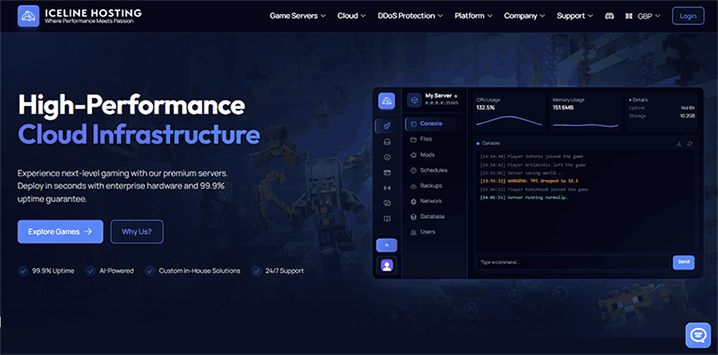
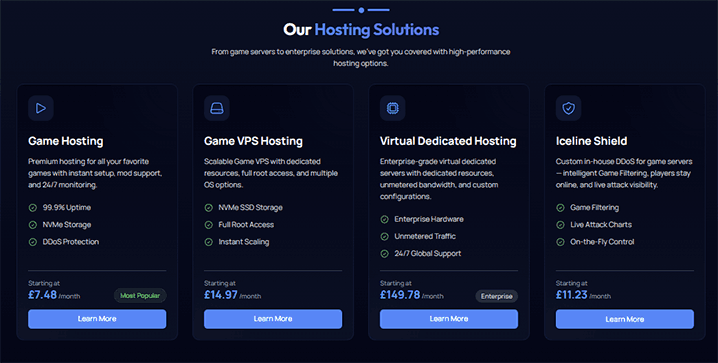
The shift toward specialized game hosting is driven by a simple reality: generic VPS providers are rarely optimized for the specific networking needs of game servers. When you host with a general-purpose provider, you are often sharing resources with thousands of other users, and the DDoS protection—if it exists at all—is usually a blunt instrument that can cause as much latency as the attack itself. Iceline-Hosting addresses this by building their infrastructure around the Iceline Shield, a proprietary protection layer that is designed to mitigate attacks without forcing you to sacrifice the low-latency connectivity that your players demand. For a community admin, this matters because it turns a technical liability into a competitive advantage; you can market your server as ‘always online’ and ‘lag-free’ with the confidence that the underlying architecture is built to handle the stress.
Choosing a host in 2026 is no longer just about comparing RAM and CPU specs; it is about finding a partner that understands the specific demands of your game, whether that is the blocky complexity of Minecraft or the high-intensity networking required for Rust. Iceline-Hosting enters the market with a promise of instant setup, integrated DDoS protection, and a custom-built game panel that aims to remove the friction of traditional server administration. In this review, I will explore why community builders are shifting toward these specialized platforms, what the real-world experience of using their AI-assisted management feels like, and who should actually make the jump from generic cloud providers to this game-first ecosystem.
The Rise of Game-First Ecosystems
Community admins are increasingly looking for platforms that act as a partner rather than just a landlord. The appeal of Iceline-Hosting lies in its focus on the entire lifecycle of a game server, from the initial deployment to the long-term management of mods and plugins. By offering instant setup for popular titles, they remove the barrier to entry that often discourages new community owners. You are not just buying a slice of a server; you are buying into a workflow that is designed to get your world live in minutes, not hours. This is a significant shift from the traditional model where you would spend your first day configuring firewalls and installing dependencies before even seeing a login screen.
DDoS Protection as a Core Feature
In the world of competitive gaming, DDoS attacks are an unfortunate reality of success. If your server starts gaining traction, it will eventually become a target. This is where the Iceline Shield becomes the most important feature in your hosting stack. Unlike generic providers that might null-route your IP address during an attack—effectively taking your server offline to save their own network—Iceline’s approach is to filter traffic in real-time. This means your players stay connected, your community stays active, and you avoid the reputation damage that comes with frequent, unexplained downtime. It is a level of security that feels like an insurance policy for your community’s growth.
Methodology: Evaluating Specialized Hosting
This review is based on an analysis of the provider’s stated features, service promises, and market positioning as of 2026. I do not perform hands-on, long-term stress testing of every server; instead, I evaluate the provider based on their documented infrastructure, security offerings, and the specific needs of the game-hosting market. The goal is to provide a balanced, editorial perspective that helps you weigh the benefits of a specialized game-hosting platform against the risks of choosing a provider with less public documentation in certain areas. By focusing on the buyer’s journey—from the initial anxiety of server management to the relief of a stable, secure community—I aim to help you make a decision that feels right for your specific project.
What Iceline-Hosting Feels Like in Real Use
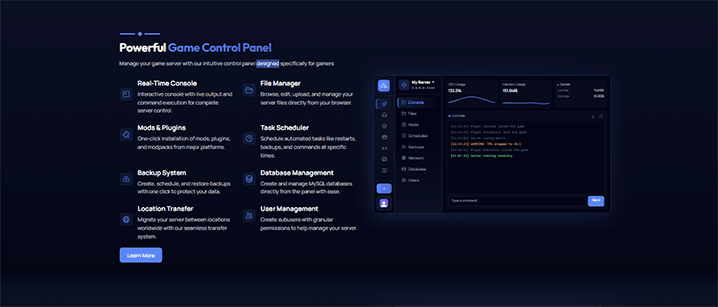
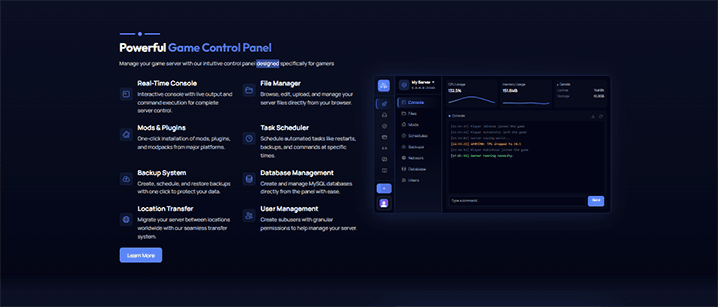
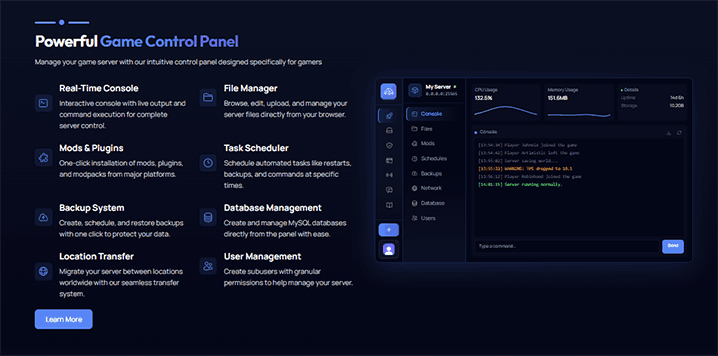
The first thing you notice when you log into the Iceline platform is that it does not feel like a traditional hosting dashboard. There is no browser clutter, no confusing menus, and no need to navigate through pages of irrelevant settings. The custom-built game panel is designed to be pinned to your taskbar, which is a small but brilliant design choice for admins who need to keep an eye on their server status while they are working or playing. It makes the hosting platform feel like a native application, reducing the mental friction of switching between your game, your Discord, and your server management tools. This is the kind of user-centric design that makes the difference between a tool you enjoy using and a chore you dread.
AI-Assisted Management in Practice
The inclusion of an AI assistant in beta is perhaps the most ambitious part of their offering. For many community owners, the technical side of server management is a necessary evil—something they have to do to keep the server running, but not something they actually enjoy. The AI assistant aims to bridge this gap by allowing you to manage server tasks, monitor DDoS protection, and even troubleshoot configuration issues using natural language. While it is still in the early stages, the potential here is massive; imagine being able to ask your host to ‘optimize my server for 50 players’ or ‘check why my plugins are failing’ and getting a clear, actionable response. It is a step toward making server administration accessible to everyone, regardless of their technical background.
The Reliability of Instant Deployment
When you are ready to launch a new modpack or a seasonal event, the last thing you want is a long, drawn-out migration process. Iceline-Hosting’s focus on instant setup means that you can spin up a new instance, apply your custom configurations, and invite your players in a fraction of the time it would take with a manual VPS setup. This speed is vital for community engagement; if you can react quickly to new game updates or community requests, your server will naturally feel more active and responsive. It is this kind of operational agility that allows community builders to experiment, iterate, and grow without the fear of a technical bottleneck holding them back.
Choosing the Right Plan for Growth
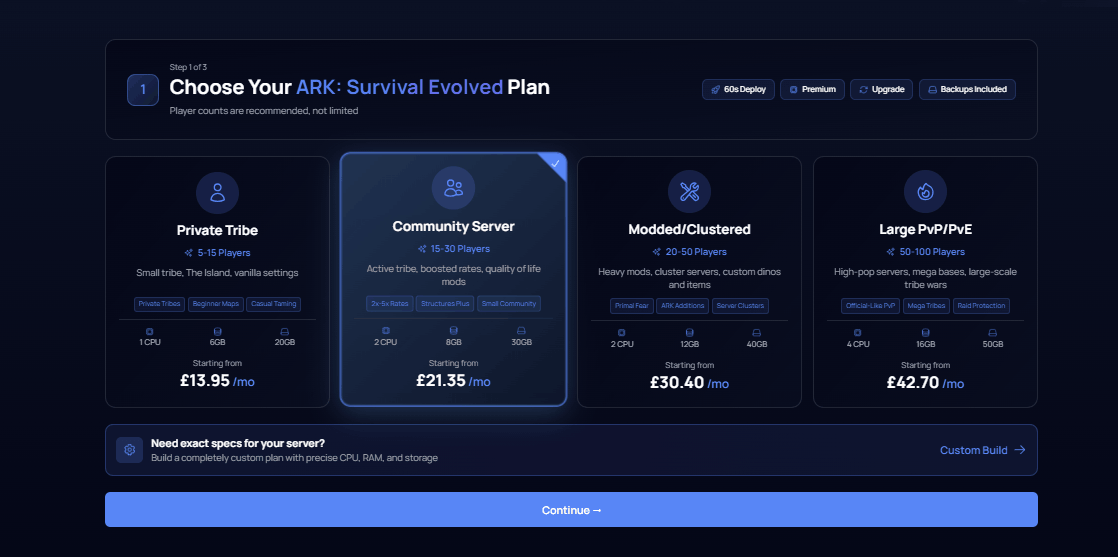
Deciding whether to switch to Iceline-Hosting requires an honest look at your community’s current stage and technical needs. If you are just starting, the Featured Game Servers plan is the safest entry point, offering instant setup and essential mod support. For those managing multiple instances or running a larger network, the Reseller VPS options provide the best balance of control and cost-efficiency. The safest read is to shortlist plans by fit first, then verify any unclear limits before checkout. A cheap plan only stays cheap when RAM, storage, bandwidth, billing term, management needs, and upgrade path still make sense after the first invoice.
Who Should Choose and Who Should Avoid
This platform is Best for community admins who prioritize stability and security above all else, especially those running high-traffic servers for Minecraft, Rust, or ARK. If you are tired of fighting with generic VPS configurations and want a managed, game-first environment, the value here is clear. It is also an excellent choice for those who want to leverage modern tools like AI-assisted management to reduce their daily administrative workload. Conversely, this is Not for users who require full transparency regarding datacenter locations or those who need a strictly defined, published refund policy before committing to a service. If your community has strict geographic compliance requirements or if you are the type of buyer who needs to see a clear, written money-back guarantee before checkout, you may find the current lack of published evidence in these areas to be a significant hurdle. I recommend reaching out to their support team directly to get these specific details in writing before making your final decision.