

Breaking Down DreamHost VPS Plans, Pricing Terms, and Fit
A regional business rarely buys hosting because brand name feels familiar. Picture a small agency launching client sites for buyers in North America, Europe, and Asia-Pacific. Logo matters less than route confidence: will visitors in Virginia, Oregon, Amsterdam, or Singapore feel site respond? Will renewal bill make sense after first discount? Will someone answer when migration nerves turn into real dashboard confusion? That is where this DreamHost review starts: not with hype, but with buyer pressure.
DreamHost gives broad evidence for that kind of decision. Supplied facts cover web hosting, WordPress Hosting, DreamPress managed WordPress, managed VPS, dedicated hosting, domains, email hosting, AI website tools, security and CDN add-ons, and pro services. That range matters because many buyers do not know future shape of site on day one. Today it may be brochure site; next year it may be WordPress store, client portal, or resource-heavy VPS project. Good host choice leaves room for next version of business.
Evidence also gives concrete planning points. DreamHost names US-East in Ashburn, US-West in Hillsboro, Amsterdam, Singapore, and 100+ CDN edge locations. It publishes first-term and renewal pricing across many plan families, including web hosting, WordPress Hosting, DreamPress, and managed VPS. It repeats a 30-Day Money-Back Guarantee on hosting and WordPress/VPS/DreamPress evidence. It supports 24/7/365 chat and email routes through panel or widget language. That does not mean every question is answered; exact SLA credit terms, refund exclusions, broad phone-support scope, Windows VPS availability, and plan-by-plan datacenter selection rules are not published in supplied evidence.
Review method: this article uses only supplied DreamHost evidence from hosting, WordPress, DreamPress, VPS, dedicated, pricing, homepage, support, uptime, location, refund, and product facts. It does not claim independent hands-on speed testing, unpublished support tests, or hidden pricing. Sensitive claims are limited to supplied fact evidence, and missing details are treated as buying questions rather than invented answers.
So practical promise is clear. This review looks at why buyers consider DreamHost, how its plan ladder fits real site growth, where regional infrastructure evidence helps, and where buyer should slow down before checkout. Short punchline: DreamHost looks well-suited for WordPress, business hosting, and managed VPS buyers who want published renewals, support access, and visible growth paths without turning hosting into full-time homework.
Why Buyers Put DreamHost on Shortlist
First serious hosting choice often happens after small panic. A founder has domain ready, homepage copy half-written, and one fear sitting in background: “If this goes wrong, I will lose weekend fixing DNS and plugins.” DreamHost becomes relevant because evidence shows not one narrow product, but platform-like spread: web hosting, WordPress Hosting, DreamPress, managed VPS, dedicated server, domain pricing, email hosting, AI website tools, and add-ons. For buyer, breadth creates emotional safety. You are not choosing only first plan; you are choosing possible path after launch.
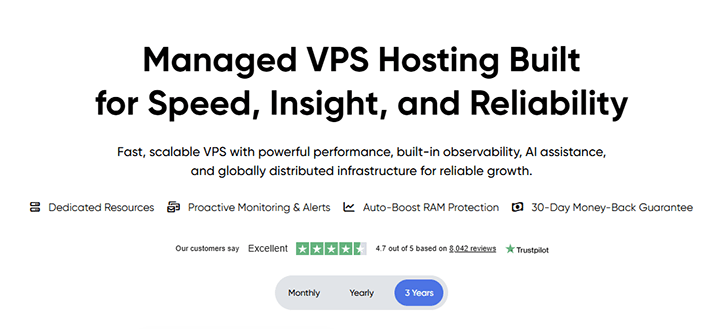
Most useful DreamHost signal is ladder clarity. Web Hosting Launch, Growth, and Scale give early site path with published website counts, monthly visit levels, NVMe SSD storage, unmetered bandwidth, daily automated backups, SSL certificates, and renewal prices. WordPress Hosting repeats similar launch-to-scale logic for WordPress-focused buyers. DreamPress moves into managed WordPress, with professional migrations, backup retention, and unlimited mailboxes in supplied evidence. Managed VPS adds dedicated resources, RAM and CPU tiers, Auto-Boost RAM Protection, monitoring, alerts, AI-powered error insights, software updates, one-click apps, and SSH access. Dedicated hosting adds root access, local MySQL database server, Ubuntu, RAID 1 storage, and 100% Network Uptime Guarantee evidence.
That range matters if site plan is still forming. A restaurant group may start with basic WordPress site, then add online ordering later. Freelancer may begin with one portfolio, then host multiple client microsites. Regional ecommerce shop may outgrow shared-style hosting and want managed VPS with more visible resources. DreamHost evidence supports those jumps without forcing buyer to compare unrelated vendors at every stage. Less vendor churn means fewer migration weekends.
Regional Reach Gives Practical Confidence
Regional-fit buyer asks different question from pure bargain hunter. Not “what is cheapest?” but “where are customers, and how much route risk can I tolerate?” DreamHost evidence names US-East in Ashburn, US-West in Hillsboro, Amsterdam, Singapore, and 100+ CDN edge locations. It also mentions US/Europe datacenters for DreamPress and global CDN language. This supports planning for audiences across North America, Europe, and Asia-Pacific.
Important caveat: supplied evidence does not publish plan-by-plan datacenter selection rules. That means buyer should not assume every plan gives free choice among all named locations. Still, named locations are more useful than vague “global” copy. For agency serving US and EU clients, or publisher with Singapore audience, this evidence helps form shortlist. Regional visibility reduces guesswork, even when checkout-level selection details need confirmation.
Think of small education company with US students and Singapore partners. It may not need enterprise architecture on day one. It needs hosting provider that at least shows where network story starts. DreamHost does that. Buyer still should ask how plan maps to location, CDN, and migration workflow, but evidence gives enough to make question precise.
Renewal Visibility Builds Buyer Trust
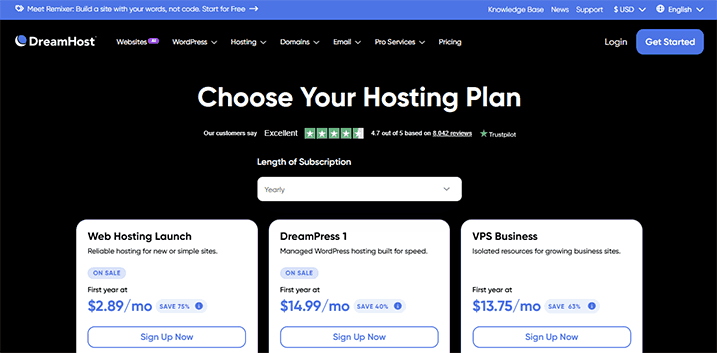
Hosting anxiety often waits until month eleven. First bill looked friendly; renewal feels like surprise. DreamHost earns trust by publishing first-term and renewal prices across many plans in supplied evidence. Web Hosting Launch shows €2.89/mo first year and renews at €10.99/mo after 1 year. Web Hosting Growth shows €3.99/mo first year and renews at €12.99/mo after 1 year. WordPress Hosting Launch shows €1.99/mo first 4 years and renews at €7.99/mo after 4 years. VPS Business shows €10/mo first 3 years and renews at €24.99/mo after 3 years.
Those renewals are higher than intro prices, but evidence makes them visible. That is buyer-friendly. A cheap first month is not same as low total cost. If site becomes core business asset, renewal predictability matters more than headline discount. DreamHost lets buyer do long-term math before migration.
There is another practical note: supplied evidence says full term plus taxes are charged at checkout on some plan pages. Buyer comparing long terms should check cash flow, not only monthly-looking label. This is not knock; it is budgeting reality. A founder buying multi-year WordPress Hosting or VPS should know whether full term charge hits now.
How DreamHost Fits Real Site Growth
Site growth rarely feels neat. One month traffic is flat; next month newsletter works, client campaign lands, or product review goes semi-viral. Buyer then asks awkward question: “Did I buy plan for yesterday or tomorrow?” DreamHost plan evidence helps because it separates stages without making every stage feel like different ecosystem. You can read it as launch, WordPress growth, managed WordPress relief, VPS breathing room, then dedicated control.
For lower-friction launch, Web Hosting Launch starts with 25 websites, 40k monthly visits, 25 GB NVMe SSD, unmetered bandwidth, daily automated backups, unlimited free SSL certificates, 30 Days Free – Remixer AI Website Builder, and 3 Months Free – 20 Mailboxes in evidence. Web Hosting Growth expands to 50 websites, 200k monthly visits, and 50 GB NVMe SSD. Web Hosting Scale reaches 100 websites, 400k monthly visits, and 100 GB NVMe SSD. Those numbers create clear step-up logic for agencies, content portfolios, and small businesses with multiple microsites.
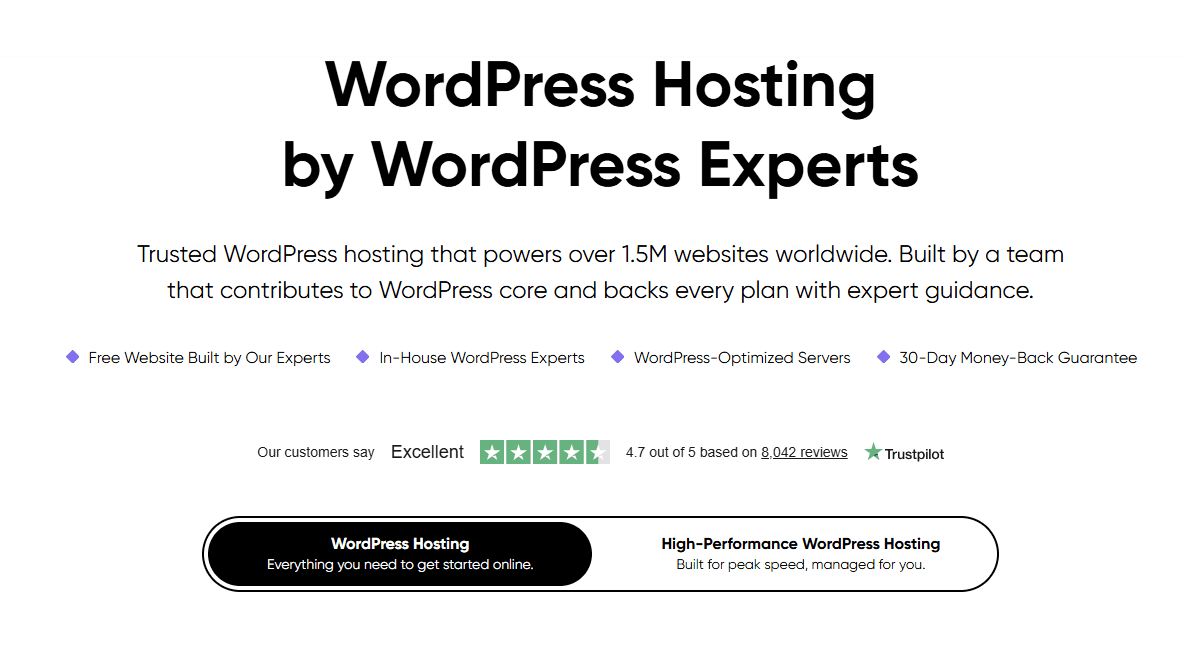
For WordPress-specific buyer, WordPress Hosting Launch, Growth, and Scale mirror similar shape with first 4-year pricing evidence and renewal prices. Launch shows 25 websites, 40k monthly visits, 25 GB NVMe SSD, unmetered bandwidth, daily automated backups, SSL, and 3 Months Free – 20 Mailboxes. Growth moves to 50 websites, 200k monthly visits, and 50 GB NVMe SSD. Scale moves to 100 websites, 400k monthly visits, and 100 GB NVMe SSD. This is useful if you want WordPress focus without immediately paying managed WordPress prices.
WordPress Owners Get Choice, Not One Path
WordPress buyer often faces messy choice: stay cheap, pay for managed, or jump to VPS too early. DreamHost evidence gives three distinct WordPress-adjacent paths. Basic WordPress Hosting covers many sites and includes storage, visits, SSL, backups, unmetered bandwidth, and email trial evidence. DreamPress focuses on managed WordPress needs, with plan evidence for professional migrations, backup retention, visits, storage, websites, and unlimited mailboxes. VPS supports WordPress too, with one-click installer and managed updates evidence, but buyer gets dedicated RAM/CPU tiers instead of purely WordPress-managed packaging.
DreamPress 1 fits site owner who wants managed WordPress support for one site: 1 website, 15 GB NVMe SSD, 40k monthly visits, 14 Days Backup Retention, 1 Professional Site Migration, unmetered bandwidth, and unlimited mailboxes. DreamPress 2 moves to 2 websites, 25 GB NVMe SSD, 80k monthly visits, and 2 Professional Site Migrations. DreamPress 3 reaches 3 websites, 30 GB NVMe SSD, 125k monthly visits, and 3 Professional Site Migrations. Evidence also mentions DreamPress tools such as Bunny CDN, staging, on-demand backups, WordPress speed and security, diagnostics, traffic dashboard, and support proof.
For solo store owner, DreamPress 1 may feel like paying for calm: migration help, managed environment, and mailboxes in one place. For small agency, DreamPress 2 or 3 may fit if client count is small but each site matters. For portfolio of many lower-stakes sites, WordPress Hosting Growth or Scale may be more logical because website limits are much higher in evidence. Short punchline: choose managed when labor savings matter more than raw site count.
Managed VPS Helps When Shared Feels Tight
VPS decision usually arrives with symptoms: admin dashboard slows, traffic spikes feel risky, or client site needs more predictable resources. DreamHost managed VPS evidence looks built for that moment. VPS Business shows unlimited websites, 60 GB NVMe SSD, 2 Cores, 2 GB RAM, Auto-Boost RAM Protection, unmetered bandwidth, daily automated backups, SSL, email, and first 3-year / renewal pricing evidence. VPS Professional doubles RAM to 4 GB and storage to 120 GB NVMe SSD while keeping 2 Cores. VPS Enterprise moves to 240 GB NVMe SSD, 4 Cores, and 8 GB RAM. VPS Premier reaches 360 GB NVMe SSD, 6 Cores, and 12 GB RAM.
Those specs matter because buyer can map pain to upgrade. Need more storage? Progression is visible. Need more RAM? Tiers show 2 GB, 4 GB, 8 GB, and 12 GB. Need more CPU? Enterprise and Premier step up from 2 Cores to 4 and 6 Cores. Evidence also mentions clear traffic and resource visibility with built-in dashboards and visual graphs, proactive alerts, AI-powered error insights, managed updates, patches, monitoring, Apache or Nginx choice, one-click application installer, SSH access, Ubuntu updates, PHP releases, and WordPress versions.
That makes VPS feel less like raw server rental and more like managed growth lane. A regional marketing team running campaign landing pages can watch resource use rather than guess. A developer can use SSH while owner still values managed updates and support. A WordPress-heavy business can move from shared-style plan to VPS without abandoning WordPress conveniences entirely.