

Evaluating NonameHosts for European Deployments

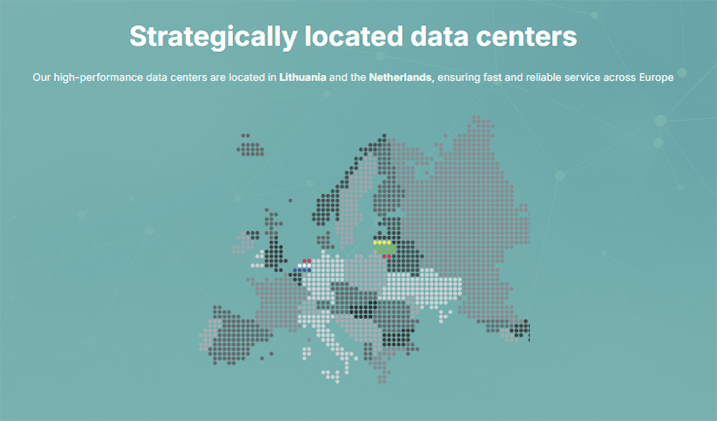
Moving a production database or a high-traffic client application to a new European datacenter is rarely a casual decision. The anxiety usually starts long before the actual migration begins. You worry about hidden resource limits, unpredictable latency spikes,and what exactly happens if the server goes dark on a Sunday evening. In a 2026 hosting market whereenterprise cloud platforms increasingly obscure their pricing behind complex egress fees and proprietary scaling tools, buying raw, predictable infrastructure feels like arisk. NonameHosts positions itself as the antidote to that complexity. Operating out of data centers in Lithuania and the Netherlands, this provider focuses heavily on NVMe-powered Virtual Private Servers (VPS) and dedicated hardware.
The usefulsignal here is not just the hardware specification sheet; it is the level of control you are handed. NonameHosts targetsdevelopers, agencies, and small businesses that want ‘full root access’ without the enterprise markup. However, that freedom comeswith a strict operational boundary. The core VPS and dedicated products are unmanaged by default. If you misconfigure your firewallor break your NGINX server block, the technical support team is not going to rewrite your code. Furthermore, whilethe marketing pages might hint at a 30-day safety net, the official terms of service strictly define a14-day refund window for virtual servers, and dedicated machines are entirely non-refundable.
What matters for buyers is understanding exactly where the provider’s responsibility ends and yours begins. If you have the technicalcapability to manage a Linux environment, the underlying hardware here is exceptionally fast and the network routing is stable. If you area beginner expecting a ‘managed’ experience where support handles your plugin updates, this infrastructure will feel overwhelming. The safer readis to treat NonameHosts as a high-performance utility provider: they supply the power, the network, and theraw NVMe speed, but you are responsible for building and maintaining the house.
This analysis will bypass the standardmarketing claims to examine the daily reality of deploying on this European infrastructure. We will look at how the unmanaged environment dictatesyour workflow, the financial trade-offs hidden in the promotional billing cycles, and the exact buyer profiles that can safely leveragethese servers without falling into the trap of buyer’s remorse.
Navigating the Product Catalog andFinancial Trade-Offs
Pricing fairness is rarely about the first invoice; it is about whathappens when the promotional period ends, the real billing cycle begins, and you need to scale your resources. A buyer wants to knowthat their server costs will remain predictable as their business grows, without hidden fees, forced upgrades, or aggressive renewal tactics lurkingin the terms of service. NonameHosts offers a straightforward product catalog, but moving from shared hosting to a dedicated server involvessignificant financial and operational shifts.
The Shared Hosting Exception
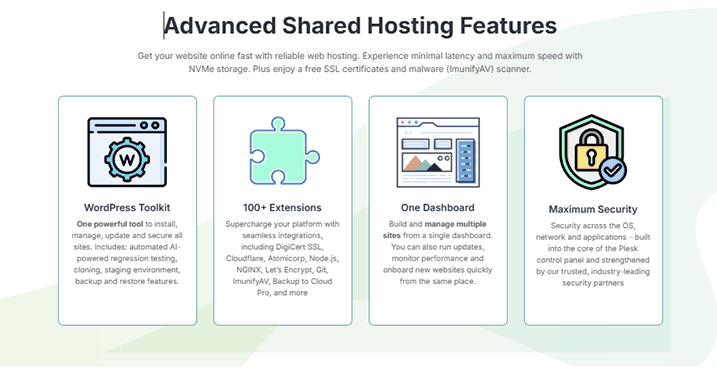
While the brand is heavilyfocused on raw infrastructure, they do offer a shared web hosting tier. This is the exception to the unmanaged rule. The sharedplans are designed for users who want to host a website without touching a Linux command line. These plans include a control panel (Plesk), the WordPress Toolkit for easy staging and cloning, a free SSL certificate, and automated daily backups.
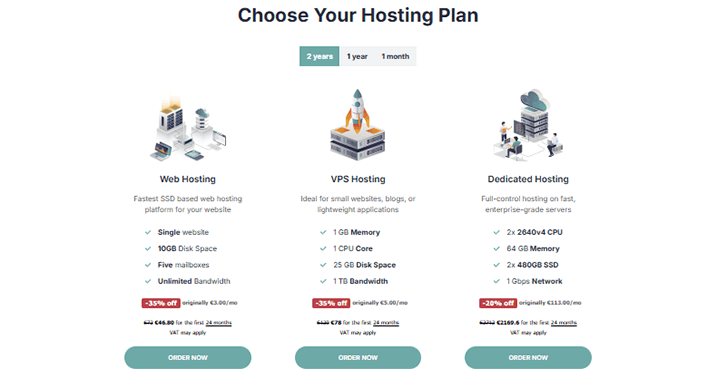
The Web Hosting Lite plan starts at a highly competitive promotional rate of €3.00 per month (oftendiscounted further on long terms) and includes 10GB of disk space and unlimited bandwidth. This is a safe, predictableentry point for a small blog or a static business portfolio. However, buyers must recognize that shared hosting means shared resources. If your siteexperiences a massive surge in traffic, you will eventually hit the ceiling of what a shared environment can handle, forcing a migrationto the VPS tiers.
Scaling Through the VPS Tiers
The VPS catalog is where NonameHoststruly competes. The plans scale logically, allowing you to increase CPU cores, RAM, and NVMe storage as your application demands. The VPS Lite plan offers 1 CPU core, 1GB of RAM, and 25GB of NVMe storagefor a promotional rate of €5.00 per month. This is ideal for lightweight applications, testing environments, orsmall VPN deployments.
As you move up to the VPS Core (€9.99/mo) and VPS Pro (€18.99/mo) tiers, the resourceallocations become suitable for production databases, e-commerce stores, and high-traffic applications. The useful signal here is that the renewal pricesare still reasonable for NVMe-backed hardware. You are not facing the massive 300% price hikesthat are common with mainstream shared hosting brands. The pricing remains grounded in the reality of the hardware provided. You are paying for predictablecompute power, not marketing overhead.
The Dedicated Server Commitment and Setup Fees
When a virtual environment is no longer sufficient, the dedicated server catalog offers absolute isolation. You are renting the entire physical machine.The NNM-SSD0 plan, for example, provides 20 Cores, 64GB of RAM,and dual 480GB SSDs for €113.00 per month. Theyalso offer specialized GPU servers (featuring RTX A4000 or A5000 cards) for AI workloads and Storage servers withmassive HDD arrays for data archiving.
The financial trade-off here is significant. Dedicated servers carry a€50 setup fee. More importantly, the terms of service explicitly state that dedicated servers andsetup fees are entirely non-refundable. Clicking the checkout button on a dedicated server is a hard commitment. You must be absolutelycertain that the core count, RAM allocation, and storage type align exactly with your production needs before you finalize the purchase.There is no trial period for the bare metal.
Promotional Cycles and Renewal Realities
Like most of the hosting industry, NonameHosts uses promotional pricing to attract new customers. To secure the lowest advertisedmonthly rate, you must commit to a 12 or 24-month billing cycle upfront. Paying month-to-month significantlyincreases the baseline cost.
What matters for buyers is calculating the long-term total cost of ownership. Whenthe 24-month promotional period expires, the invoice will revert to the standard rate. While these standard rates are transparentand fair for the European market, failing to budget for the renewal can cause a nasty shock. Are you prepared to pay thefull price in year three? If the answer is yes, the predictable nature of this infrastructure makes it a sound financial decision. If you arerelying on the promotional discount to keep your business afloat, you need to reevaluate your hosting budget.