

Is Budget cPanel HostingSafe for Your Next Project?

For searchers landing here, the immediate anxiety of moving a website to a host that charges less than twodollars a month is entirely justified. When you see a promotional price tag of $1.99 per month, thenatural buyer hesitation kicks in: is this a reliable foundation for my business, or am I walking into a trap of hiddenrenewal fees and abandoned servers? The short answer is that WebHostGlobe is a functional, bare-bones provider that hasbeen operating since 2014, but it achieves its low pricing by shifting almost all the operational risk directly ontoyour shoulders. If you are comparing options in the budget hosting space, you need to understand exactly what you are trading awayto get that low monthly bill.
Our review methodology focuses on reading the fine print that budgethosts often hide. We look past the marketing claims to evaluate the actual acceptable use policies, refund windows, and hidden fees. The most pressing checkout anxiety usually revolves around the refund window. In an industry where thirty days of risk-free testinghas become the norm, WebHostGlobe enforces a remarkably strict three-day money-back guarantee for standard cancellations. Thismeans you have exactly seventy-two hours to point your domain, migrate your files, provision your SSL certificates, and testyour page speed under load. If you run into a compatibility issue on day four, your money is locked in. Abetter way to read this is that the company expects you to know exactly what you are doing the moment you hit the purchasebutton. There is no leisurely onboarding period here; you are buying raw, unmanaged server space and are expected to getto work immediately.
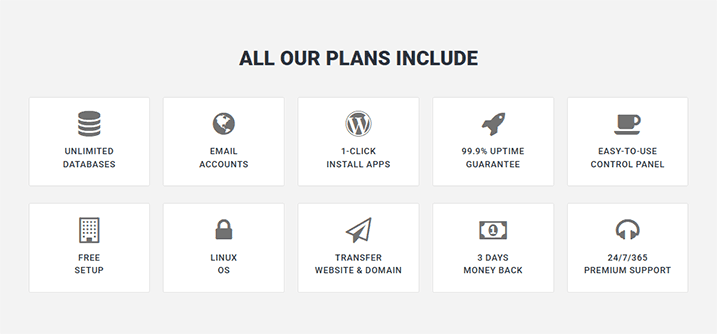
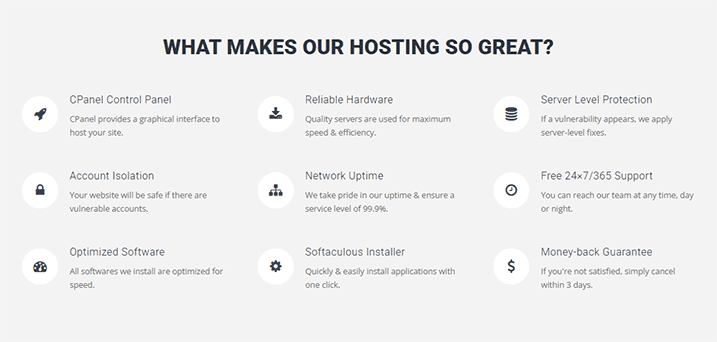
Despite these rigid boundaries, there is a distinct reason why thousands of usersstill actively seek out this tier of cheap hosting. It provides a standardized, familiar environment without the bloated upselling that plagueslarger corporate hosts. You get access to the industry-standard cPanel, the Softaculous application installer, and solid-state drive (SSD) storage. For a student learning web development, a hobbyist launching a personal blog, ora developer needing a cheap staging environment, these tools are more than enough. The infrastructure is built to handle predictable, lightweighttraffic, and it does so adequately.
However, the true cost of this service is hiddenin the terms of service, not the pricing table. From steep hourly fees for out-of-scope technical support toan acceptable use policy that strictly forbids heavy resource consumption, this is a platform that demands self-sufficiency. You are notpaying for a managed experience; you are renting a small slice of a server and taking on the burden of keeping it secureand optimized. Before you commit your primary domain to their nameservers, we need to break down exactly how these strictpolicies will impact your daily workflow, your growth potential, and your peace of mind when the inevitable technical glitch occurs.
Why Budget Buyers Choose WebHostGlobe in 2026
To understandthe appeal of WebHostGlobe, you have to look past the marketing language and examine the specific use cases where a micro-budget host actually makes sense. Not every website requires a high-availability cloud cluster or a dedicated account manager. Sometimes, you just need a quiet, affordable corner of the internet to park a domain, host a static portfolio, or runa lightweight WordPress installation. If you are comparing options for these low-stakes projects, the value proposition here is surprisingly straightforward, provided you stay within the lines.
The Appeal of the Two-Dollar Entry Point
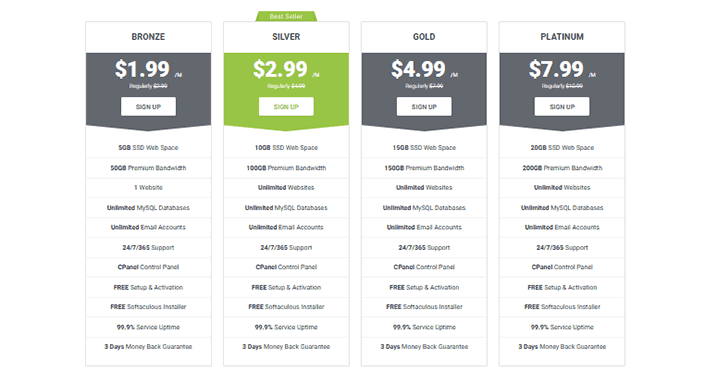
The primary driver for choosing the Bronze or Silver shared hosting tiers is the sheer lack of financial friction. At$1.99 per month, the cost of hosting your website is less than the cost of registering the domain nameitself. For searchers landing here, this price point removes the barrier to entry for digital experimentation. If you have anidea for a niche blog, a community forum, or a small informational site for a local club, you do not needto justify a massive annual hosting budget. You can launch the project, test the waters, and see if it gains tractionwithout risking significant capital.
What makes this entry point viable is the inclusion of cPanel.Many low-cost hosts attempt to cut licensing costs by forcing users into proprietary, poorly designed control panels that make simple tasksinfuriating. By providing cPanel, WebHostGlobe ensures that the learning curve remains flat. You can followalmost any generic web hosting tutorial on the internet, and the steps will match your dashboard exactly. This standardization is amassive relief for beginners who might otherwise feel overwhelmed by server management. You get the unlimited databases and email accounts necessary to runmultiple small scripts, and the Softaculous installer ensures that deploying your chosen software takes seconds rather than hours.
Building a Micro-Agency on Basic Reseller Tiers
Beyond the individual site owner, WebHostGlobe caters heavily to the micro-agency and freelance web designer market through its reseller packages. Starting at just$10 per month, the Basic reseller plan allows you to partition your server space and sell it directly to your ownclients. For a freelance developer building sites for local restaurants or small retail shops, this is an attractive margin. You cancharge your clients a standard monthly maintenance fee while your underlying infrastructure costs remain negligible.
However,running a reseller business on budget infrastructure requires a clear understanding of the risks. As a reseller, you are thefirst line of support for your clients. If their site goes offline, they will call you, not WebHostGlobe. Because the underlying support from the host is strictly ticket-based and unmanaged, you must possess the technical competence totroubleshoot basic database errors, email routing failures, and WordPress plugin conflicts on your own. The $36 per month Premiumreseller tier offers unmetered bandwidth, but you are still bound by the acceptable use policy regarding CPU and RAM consumption.It is a practical setup for hosting low-traffic brochure sites, but it will quickly collapse if you attempt tohost resource-heavy e-commerce clients on these shared reseller accounts.
The Trade-Offof Undisclosed Datacenters
One of the most significant compromises you make at this pricepoint involves geographic transparency. In modern web hosting, the physical location of the server plays a crucial role in page load speedsand local search engine optimization. If your target audience is entirely based in London, hosting your site in a Singapore datacenterwill introduce unavoidable latency that frustrates users and potentially harms your search rankings. WebHostGlobe does not publicly disclose its specificdatacenter locations in its standard marketing materials or checkout flow.
A better way to read thisomission is to assume that your site will be provisioned wherever the company currently has available capacity, rather than allowing you tostrategically select a region. For a globally distributed audience or a site utilizing a robust Content Delivery Network (CDN), this mightnot be a dealbreaker. But for a local business—say, a dental practice in Chicago—the inability to guaranteea North American server location is a distinct disadvantage. You are trading geographic control for financial savings. If absolutepeak performance for a localized demographic is your primary goal, this lack of transparency should give you pause. If you are simplylooking for functional, affordable space and plan to route your traffic through Cloudflare anyway, it is a trade-off youcan likely accept.