Navigating Shopify Agentic Commerce: A Technical Auditor’s Guide Web Hosting Promo Codes
The emergence of agentic commerce represents a shift in how consumers discover and purchase goods, moving away from traditional search engines toward conversational AI interfaces. Shopify has positioned its platform to facilitate this transition by leveraging its Catalog API to feed product data directly into models like ChatGPT, Microsoft Copilot, and Google’s AI Mode. For the merchant, this integration promises a new channel for product visibility, yet it introduces technical and administrative complexities that require careful oversight.
Understanding the mechanics of this framework is essential for any store owner concerned with data exposure and brand representation. Because Shopify enables these discovery channels by default for existing merchants, the responsibility falls on the administrator to audit what information is being shared and how it is interpreted by external AI systems. This guide examines the technical pipeline connecting your inventory to these agents, the financial realities of transaction processing, and the strategic trade-offs involved in automating your storefront’s presence. I would be careful with any assumption that automated visibility is inherently beneficial without first verifying the quality of the underlying data. The fair caveat is that while the platform simplifies the connection, the burden of maintaining accurate, brand-compliant metadata remains firmly with the merchant. This audit provides the necessary framework to evaluate whether this AI-driven approach aligns with your long-term operational goals.
Understanding the Agentic Commerce Framework

The integration of ecommerce platforms with artificial intelligence marks a shift in how consumers discover and purchase goods. Shopify has introduced an agentic commerce framework that enables merchants to surface their inventory directly within AI-driven interfaces. By utilizing the Catalog API, the platform organizes merchant data into a structured format that AI models, including ChatGPT, Microsoft Copilot, and Google’s AI Mode, can parse and recommend to users based on specific shopping queries.
Key considerations for Understanding the Agentic Commerce Framework
For merchants, the primary mechanism for this visibility is the automated ingestion of product data into the platform’s centralized database. This process is designed to facilitate direct product discovery without requiring manual intervention for each individual AI channel. Merchants should note the following:
- Shopify merchants can sell their products through AI agents, such as ChatGPT, Microsoft Copilot, and Google’s AI Mode.
- For existing Shopify merchants, products will be discoverable through AI agents by default.
- The system relies on the Catalog API to ensure product information is machine-readable for AI assistants.
- Store owners retain the ability to manage or opt out of these AI-driven channels via the Shopify admin dashboard.
Practical checks for Understanding the Agentic Commerce Framework
While the automated nature of this integration simplifies the technical overhead, it is important to verify that your product data remains accurate and consistent across all channels. Data integrity is essential when relying on third-party AI to represent your brand. Before assuming that AI-driven visibility will automatically translate to increased sales, consider the following audit steps:
- Review your current product descriptions and metadata to ensure they are optimized for natural language processing.
- Check the Shopify admin settings to confirm your current opt-in status for AI discovery channels.
- Monitor your traffic sources to distinguish between standard storefront visitors and those arriving via AI-assisted recommendations.
I would be careful with the assumption that AI-driven visibility is a replacement for traditional SEO or direct marketing efforts. The fair caveat is that while these channels provide a new avenue for reaching high-intent customers, they operate within the constraints and algorithms of the AI providers themselves. That does not make it bad, but it does mean that maintaining control over your brand identity requires periodic review of how your products are being surfaced and presented to the end user.
Beyond the automated ingestion process, the framework functions as an extension of the existing ecommerce ecosystem, bridging the gap between static storefronts and dynamic, conversational interfaces. By leveraging the Catalog API, the platform ensures that product attributes—such as pricing, availability, and descriptive metadata—are consistently mapped to the requirements of large language models. This technical alignment allows AI assistants to perform real-time retrieval of inventory, effectively transforming the merchant’s catalog into a queryable knowledge graph.
The integration is designed to be largely passive for the merchant, yet it requires an understanding of how these AI interfaces prioritize information. When a consumer interacts with an AI agent, the model evaluates the merchant’s data against the user’s intent, selecting products that align with the provided context. Consequently, the visibility of a product is not merely a function of its presence in the catalog, but of the semantic clarity and descriptive depth of the associated metadata. Merchants who maintain structured, accurate, and detailed product information are better positioned to be surfaced during these conversational exchanges, as the AI can more reliably match specific item attributes to nuanced user requests.
The Role of the Catalog API in AI Discovery
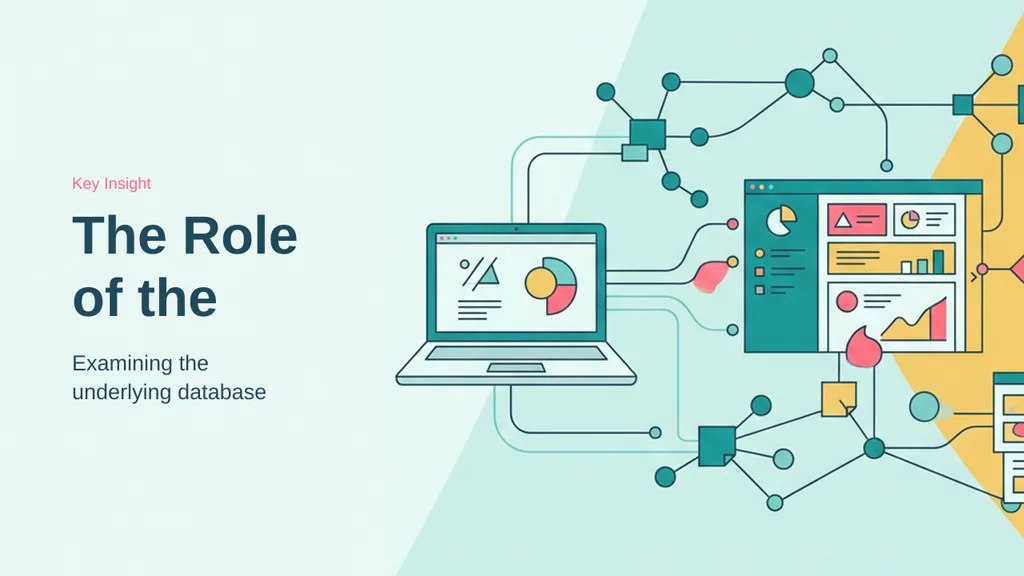
The Catalog API serves as the foundational infrastructure for Shopify’s agentic commerce capabilities. By centralizing product data into a structured format, the platform enables external AI agents to query and retrieve inventory information with high efficiency. This mechanism transforms static product listings into dynamic data points that large language models can interpret and present to users during natural language interactions.
Data Structuring for AI Parsing
For an AI agent to effectively recommend a product, it requires more than just a title and price. The Catalog API standardizes attributes such as descriptions, availability, and metadata, ensuring that the information is machine-readable. This structured approach allows AI models to parse and recommend merchant inventory by matching user intent against specific product features. Without this normalization, the disparate data formats across thousands of individual stores would make real-time retrieval and comparison impossible for automated assistants.
Latency and Sync Considerations
Maintaining an accurate representation of store inventory within the API is critical for preventing discrepancies between the AI-provided information and the actual storefront. Synchronization frequency dictates the reliability of these recommendations, as outdated stock levels can lead to failed transactions or customer frustration. While the API handles the heavy lifting of data exposure, merchants must ensure their internal inventory management remains tightly coupled with the platform to avoid latency issues during high-traffic periods.
Effective data synchronization is essential for maintaining accurate AI-driven recommendations, as it bridges the gap between the merchant’s backend and the consumer-facing chatbot. I would be careful with the assumption that this process is instantaneous; while the architecture is designed for scale, network propagation and API update cycles can introduce minor delays. The quality of the AI’s output remains directly dependent on the precision of the underlying product data provided by the merchant.
- Standardizes product attributes for machine readability.
- Maps inventory data to natural language query requirements.
- Facilitates real-time retrieval by third-party AI agents.
- Ensures consistency across diverse product categories.
- Optimizes semantic search through structured metadata.
Beyond basic synchronization, the Catalog API functions as a bridge that translates raw merchant data into the semantic language required by modern AI models. By maintaining a structured database of product information, the platform ensures that when an AI agent queries for specific items, it receives consistent, machine-interpretable attributes. This technical abstraction allows merchants to focus on their core business while the API handles the complexities of data distribution across various AI-driven discovery channels.
The efficacy of this discovery depends heavily on the quality of the metadata provided within the catalog. If product descriptions lack clarity or essential attributes, the AI’s ability to match those items with user intent is significantly diminished. Consequently, merchants should treat their product data as a critical interface for AI interaction, ensuring that all titles, descriptions, and categories are optimized for semantic search. This proactive approach to data management is the most effective way to maintain visibility in an increasingly automated shopping landscape.
Onboarding and Default Visibility Settings

The integration of merchant inventory into AI-driven discovery channels occurs automatically for existing Shopify users. This default enrollment status ensures that product data is immediately available for ingestion by the Catalog API, allowing AI agents to parse and recommend items without requiring manual configuration. While this approach minimizes the barrier to entry, it necessitates that store owners remain aware of their data exposure and active sales channels.
For merchants who prefer to maintain stricter control over where their products appear, the platform provides mechanisms to manage these visibility settings. Visibility management is handled directly within the Shopify admin dashboard, where users can review their current channel integrations and adjust permissions as needed. Opting out of these AI channels does not impact standard storefront operations, providing a clear separation between traditional web traffic and AI-assisted discovery.
To effectively manage your store’s presence within these emerging ecosystems, consider the following steps:
- Review the current status of your product catalog within the Shopify admin dashboard to confirm which items are flagged for AI discovery.
- Navigate to the channel management section to identify active AI integrations.
- Execute an opt-out procedure if you determine that automated AI recommendations do not align with your current brand strategy.
- Refine specific collections or product categories exposed to AI discovery to maintain a tiered visibility approach.
The fair caveat is that while the system is designed to be hands-off for the merchant, the lack of granular control over specific AI recommendation logic means that store owners must periodically verify how their products are being presented. Regular audits of your store’s visibility settings help ensure that your inventory remains aligned with your broader business objectives.
Beyond the initial default enrollment, maintaining an accurate representation of your inventory requires ongoing attention to the data structures utilized by the Catalog API. Because AI agents rely on semantic interpretation of product titles, descriptions, and attributes, the quality of your input data directly influences the frequency and relevance of your products appearing in search results. Merchants should prioritize descriptive, keyword-rich product information to ensure that automated systems can accurately categorize and match items to specific consumer queries.
Beyond standard visibility toggles, merchants should recognize that the Catalog API functions as a dynamic bridge between internal inventory and external AI agents. Because these systems prioritize semantic relevance, the accuracy of your product data directly impacts how frequently items are surfaced in conversational results. Maintaining a clean, updated catalog is therefore not just a matter of organization, but a core component of your discovery strategy.
To ensure your store remains competitive within these automated environments, consider these ongoing maintenance practices:
- Audit product titles and descriptions to ensure they contain clear, descriptive language that AI models can easily parse.
- Verify that all product attributes, such as size, color, and material, are correctly mapped within your Shopify admin to prevent misclassification.
- Monitor your sales performance to determine if specific product categories require more detailed metadata to improve their visibility in AI-driven search queries.
The fair caveat is that while the system automates the connection, the semantic precision of your input data remains the primary factor in how effectively an AI agent can match your products to consumer intent.
Integrating External Storefronts with Shopify
Merchants operating on platforms outside of the Shopify ecosystem are not excluded from the benefits of agentic commerce. The architecture allows these businesses to leverage Shopify as an intermediary, effectively bridging the gap between independent product catalogs and AI-driven sales channels. This approach avoids the technical burden of a full platform migration while still enabling access to discovery features within ChatGPT, Microsoft Copilot, and Google’s AI Mode.
Catalog Sync Requirements
To participate, external merchants must establish a reliable data pipeline to Shopify. The primary requirement is to sync your product catalog to Shopify to get started. This process ensures that the platform’s Catalog API remains populated with current inventory, pricing, and availability data. Without consistent synchronization, AI agents may present outdated information to potential customers, which can negatively impact brand reputation and conversion rates. Maintaining data accuracy is the most critical technical hurdle for external sellers, as the AI relies entirely on the quality of the ingested feed to make relevant recommendations.
Middleman Architecture Benefits
Utilizing Shopify as a middleman between your store and numerous AI agents provides a distinct strategic advantage. By acting as a central hub, Shopify handles the complex task of formatting and distributing product data to various AI ecosystems. This centralized distribution model simplifies operations for merchants who would otherwise need to manage individual integrations for every AI platform. Strategic flexibility is preserved, allowing businesses to maintain their existing infrastructure while simultaneously expanding their reach into emerging shopping channels.
Note: While this integration path avoids a full migration, merchants should verify that their current product data structure is compatible with the requirements of the Shopify Catalog API to ensure seamless ingestion.
Beyond the initial synchronization, external merchants must prioritize the ongoing health of their product data to ensure consistent visibility. Because the platform acts as a conduit for AI agents, any discrepancies in inventory levels or pricing between the source store and the intermediary hub can lead to inaccurate search results. Data synchronization frequency should be calibrated to match the volatility of your inventory; high-turnover items require more frequent updates to prevent the AI from recommending unavailable products. This operational discipline minimizes the risk of customer frustration and maintains the integrity of the merchant’s brand within the AI ecosystem.
Furthermore, the integration process necessitates a clear understanding of how product attributes are mapped during the sync. Semantic clarity in product titles and descriptions is paramount, as AI models rely on these textual cues to match user intent with specific items. Merchants should audit their existing catalog to ensure that key information—such as material, dimensions, and use cases—is explicitly stated rather than implied. This optimization effort directly influences the likelihood of a product being surfaced in response to nuanced natural language queries, effectively turning the catalog into a search-optimized asset for the AI era.
Financial Implications and Transaction Fees

Integrating with AI-driven sales channels introduces specific fiscal considerations for merchants. While the underlying infrastructure for Agentic Commerce is included within existing platform subscriptions, the primary financial obligation remains the standard transaction cost associated with payment processing. Merchants should note that while no platform-specific fees apply for utilizing these AI channels, standard third-party payment processing fees remain mandatory for every completed sale.
Because these transactions are processed through the same gateways as standard storefront sales, merchants do not need to reconcile separate billing cycles or complex fee schedules. The simplicity of this model allows for predictable financial planning, provided the merchant accounts for the standard processing percentage in their pricing strategy. Careful monitoring of these transaction costs is recommended as AI-driven traffic patterns fluctuate, ensuring that the cost of acquisition remains aligned with overall business profitability goals.
It is important to distinguish between the accessibility of the feature and the operational costs of the sales themselves. The platform does not charge a premium for the visibility gained through AI agents, which effectively lowers the barrier to entry for merchants looking to experiment with new traffic sources. However, the cumulative impact of processing fees on high-volume, low-margin items should be evaluated periodically to ensure the channel remains viable for specific product categories.
- No additional platform-specific fees are charged for Agentic Commerce access.
- Transaction costs remain consistent with existing store payment gateway configurations.
- Profit margins should be calculated with these processing fees in mind.
Beyond the baseline transaction costs, merchants should evaluate the indirect fiscal impact of maintaining high-quality product data. While the platform does not levy specific charges for AI visibility, the efficacy of these channels relies heavily on the precision of the information provided to the Catalog API. Inaccurate or poorly structured data may lead to suboptimal product placement, effectively increasing the cost of customer acquisition per conversion. Consequently, investing time in refining product descriptions and metadata serves as a form of operational cost management, ensuring that every transaction processed through an AI agent contributes positively to the bottom line.
Furthermore, the absence of platform-specific fees simplifies the accounting process, as merchants avoid the overhead of managing multiple billing structures for different sales channels. This consolidation allows for a more direct assessment of profitability on a per-product basis. Merchants should periodically review their sales data to identify which product categories perform best within AI-driven environments, as this insight can inform inventory allocation and pricing adjustments. By focusing on high-margin items that can comfortably absorb the standard third-party processing fees, businesses can optimize their participation in these emerging channels without compromising overall financial health.
The fiscal strategy for Agentic Commerce should remain dynamic, reflecting the evolving nature of AI-assisted shopping. As consumer behavior shifts toward more conversational search patterns, the ability to pivot inventory strategies based on real-time performance metrics becomes a significant competitive advantage. Maintaining a clear understanding of these transaction-based costs ensures that the pursuit of broader visibility does not inadvertently erode profit margins. Ultimately, the financial viability of this integration depends on the balance between the reach provided by AI agents and the consistent application of standard payment processing costs across all sales.
Evaluating Long-Term Strategic Value
The integration of agentic commerce into standard retail operations represents a shift in how merchants approach digital visibility. By leveraging automated channels, businesses move beyond traditional search engine reliance, positioning products directly within the conversational interfaces where modern consumers increasingly conduct product research. Strategic adoption requires balancing the potential for expanded reach against the necessity of maintaining a cohesive brand identity across disparate AI platforms.
Diversifying Traffic Sources
Relying on a single acquisition channel creates vulnerability to algorithm shifts and platform policy changes. Agentic commerce provides a mechanism to distribute product data across multiple AI ecosystems, effectively creating new entry points for potential customers. Diversification acts as a hedge against declining organic search performance, ensuring that inventory remains discoverable in environments where high-intent shoppers interact with AI assistants. This multi-channel approach is not merely about volume; it is about meeting the consumer in the specific digital spaces they trust for recommendations.
- Reduces dependency on traditional search engine optimization.
- Increases product exposure within conversational AI environments.
- Provides access to high-intent shoppers using AI as shopping assistants.
- Mitigates risks associated with single-channel traffic volatility.
Adapting to Emerging Shopping Trends
Consumer behavior is currently trending toward AI-assisted discovery, where the barrier between searching for information and completing a transaction continues to shrink. Adapting to these trends is essential for maintaining relevance in a competitive digital marketplace. Merchants who integrate their catalogs into these AI-driven ecosystems can guide new customers to their products more effectively, which may positively influence overall conversion rates. Market adaptation is a necessity for long-term viability, as the convenience offered by AI agents becomes a standard expectation rather than a novelty.
Note: While AI-driven visibility offers a pathway to new audiences, it does not replace the need for a strong, independent brand presence; it functions best as a complementary layer to an existing multi-channel strategy.
Beyond immediate conversion metrics, the long-term strategic value of agentic commerce lies in the accumulation of interaction data. As AI models refine their recommendation engines, the feedback loop between merchant catalog data and consumer intent becomes increasingly sophisticated. Businesses that prioritize high-fidelity product information gain a distinct advantage, as these models favor structured, descriptive content that aligns with natural language queries. This alignment ensures that a brand remains a primary candidate for selection when AI assistants synthesize complex shopping requests.
Furthermore, the shift toward conversational discovery necessitates a move away from static keyword-based strategies. Instead, merchants must focus on the semantic depth of their product catalogs to ensure relevance across diverse AI platforms. This transition requires ongoing monitoring of how different agents interpret and present product information to end users. By treating AI discovery as a core component of digital operations rather than an experimental add-on, merchants can better position themselves to capture value from evolving consumer habits.
- Prioritize semantic richness to improve machine-readability of product catalogs.
- Monitor AI-driven interaction patterns to refine inventory and pricing strategies.
- Treat AI discovery as a fundamental channel for long-term audience growth.
Managing Data Exposure and AI Interactions

Integrating inventory into external AI ecosystems introduces variables beyond standard storefront management. While the Catalog API facilitates discovery, it also delegates product representation to third-party models that may interpret data in ways inconsistent with a brand’s intended voice. Maintaining strict control over product metadata is the primary defense against misrepresentation in automated shopping environments.
Merchants must recognize that AI agents operate on probabilistic logic rather than deterministic rules. When an AI parses catalog data, it may prioritize specific attributes or descriptions that do not align with current marketing campaigns. Proactive data hygiene is necessary to ensure that the information exposed to these models remains accurate and brand-compliant.
- Audit product descriptions for clarity to prevent AI misinterpretation.
- Regularly review which product categories are exposed to AI channels.
- Monitor feedback loops to identify if AI recommendations misalign with brand values.
- Utilize Shopify admin settings to restrict specific items from automated discovery.
- Maintain consistent pricing and availability data to avoid consumer friction.
The reliance on automated recommendations requires a shift in how merchants view their digital footprint. Brand integrity depends on the accuracy of the data fed into the Catalog API. If an AI agent suggests a product with outdated specifications or incorrect pricing, the resulting customer dissatisfaction reflects directly on the merchant, not the AI provider. Consequently, the ability to opt out or refine data visibility remains a critical administrative function for any store owner prioritizing long-term reputation over short-term traffic gains. Careful oversight of these automated channels ensures that the convenience of AI-driven discovery does not come at the cost of brand dilution.
Beyond metadata accuracy, merchants should consider the implications of automated inventory synchronization. When product availability fluctuates rapidly, the latency between a stock update and an AI agent’s retrieval can lead to discrepancies. Establishing a buffer for low-stock items prevents the frustration of promoting unavailable goods, which preserves consumer trust during the discovery phase.
Furthermore, brand voice alignment remains a nuanced challenge. Because AI agents synthesize information to provide conversational responses, the tone of product descriptions can be altered during the generation process. Regularly testing how various AI models interpret your catalog allows for adjustments in phrasing that ensure the output remains professional and consistent with your established identity.
- Implement inventory buffers to account for synchronization delays.
- Review AI-generated responses to ensure tone consistency.
- Use structured data schemas to guide AI interpretation of product attributes.
- Test catalog visibility across multiple AI platforms to identify platform-specific biases.
- Establish a rapid-response protocol for correcting inaccurate AI-driven recommendations.
Ultimately, the goal is to treat AI channels as an extension of the storefront rather than a passive marketing tool. By actively managing the data pipeline, merchants can mitigate the risks of misrepresentation while leveraging the reach of automated discovery. Continuous monitoring of these interactions provides the necessary feedback to refine data inputs, ensuring that the brand remains a reliable source for AI-assisted shoppers.
Beyond the immediate technical configuration, the governance of AI interactions requires a shift toward proactive risk management. Because AI agents synthesize vast datasets to generate responses, the potential for hallucinated product attributes or misaligned brand messaging increases if the underlying catalog data lacks semantic precision. Merchants should treat their product data as a public-facing interface that requires the same level of scrutiny as a traditional storefront homepage.
To mitigate these risks, consider the following administrative safeguards:
- Implement automated validation checks for all product metadata before synchronization to ensure compliance with brand guidelines.
- Establish version control for product descriptions to quickly revert changes if AI-driven recommendations begin to drift from established brand voice.
- Conduct periodic audits of AI-generated search results to identify patterns of misrepresentation or incorrect categorization.
- Maintain a centralized repository of approved marketing copy to serve as the single source of truth for all AI-integrated channels.
- Develop a contingency plan for rapid disconnection from specific AI platforms if data integrity or brand reputation is compromised.
The fair caveat is that while these tools offer significant reach, they also introduce a layer of abstraction between the merchant and the consumer. Relying solely on automated discovery can obscure the nuances of customer intent, making it difficult to gauge the effectiveness of specific marketing campaigns. By maintaining rigorous oversight and treating AI channels as an extension of the brand rather than an autonomous marketing engine, merchants can leverage these technologies without sacrificing the integrity of their digital identity. This balanced approach ensures that the convenience of AI-driven discovery remains aligned with long-term business objectives and consumer trust.
The Future of Agentic Commerce Integration
The trajectory of agentic commerce suggests a shift toward more autonomous, intent-driven shopping experiences. As AI models evolve, the ability to bridge merchant inventory with conversational interfaces will likely become a baseline expectation rather than a competitive differentiator. Strategic flexibility remains the most important asset for merchants navigating this transition, as the underlying technology powering these interactions continues to change rapidly.
Scalability of AI Channels
The scalability of AI-driven sales channels depends on the continued expansion of LLM capabilities and their integration into daily consumer workflows. As these agents become more adept at processing complex queries, the volume of traffic directed to merchant storefronts will likely increase. Maintaining a modular data architecture allows businesses to pivot as new AI platforms emerge, ensuring that product information remains accessible regardless of which specific agent dominates the market at any given time.
Platform Dependency Risks
While leveraging existing ecosystems simplifies the technical burden, it introduces inherent risks regarding platform dependency. Relying on a single intermediary to distribute catalog data means that changes to that platform’s API policies or ranking algorithms can directly impact store visibility. Diversification of traffic sources is a necessary hedge against these risks, preventing over-reliance on any single AI-driven channel for revenue generation.
Future-Proofing Storefronts
Future-proofing requires a commitment to data quality and structural integrity. As AI agents become more sophisticated, the precision of product metadata will dictate the relevance and conversion potential of automated recommendations. Investing in clean, structured data today provides the foundation for seamless integration with future AI technologies, ensuring that storefronts remain compatible with the next generation of discovery tools.
The fair caveat is that while the promise of automated sales is significant, the technology is still in its early stages. I would be careful with any assumption that AI channels will replace traditional search or direct traffic entirely. That does not make it bad, but it does mean that a balanced approach to digital strategy is essential for long-term stability.
Beyond immediate technical adjustments, the long-term viability of an ecommerce brand hinges on its ability to synthesize disparate data streams into a coherent consumer narrative. As AI agents increasingly act as gatekeepers for discovery, the semantic richness of product descriptions will determine whether a brand remains visible or fades into the background of automated results. Merchants should view their catalog not merely as a static list of items, but as a dynamic knowledge graph that informs the decision-making processes of external AI models.
The fair caveat is that over-optimization for current algorithms may lead to brittle storefronts that struggle when AI logic shifts. I would be careful with any strategy that relies exclusively on the current quirks of specific chatbot interfaces. Instead, prioritizing interoperable data standards ensures that a store remains legible to future discovery tools, regardless of the specific platform or agent architecture. This commitment to structural longevity allows businesses to maintain a competitive edge while minimizing the technical debt associated with rapid technological cycles. Ultimately, the goal is to create a digital presence that is as readable to machines as it is compelling to human shoppers.
The evolution of AI in retail necessitates a shift from passive catalog management to active, intent-aware data broadcasting. As AI agents move beyond simple product retrieval toward complex, multi-step purchase assistance, the underlying data structures must support deeper contextual queries. Merchants who treat their product information as a dynamic knowledge graph will likely find themselves better positioned to satisfy the nuanced requirements of these evolving discovery engines.
Furthermore, the reliance on proprietary AI interfaces presents a long-term challenge for brand autonomy. To mitigate the risk of platform-specific lock-in, businesses should prioritize the following:
- Standardized Schema Implementation: Adopting universal product data formats to ensure compatibility across multiple AI discovery platforms.
- Contextual Metadata Enrichment: Including usage scenarios and lifestyle attributes in product descriptions to improve matching accuracy.
- Automated Feedback Loops: Monitoring conversion patterns within AI channels to refine catalog data continuously.
The integration of agentic commerce into the Shopify ecosystem is a significant development, yet it should be approached with the same skepticism applied to any major platform shift. The ability to push inventory into AI-driven discovery channels offers a clear path to traffic diversification, but it also creates a dependency on how these models interpret your product data. Merchants must recognize that while the technical barrier to entry is low, the risk of misrepresentation in an automated environment is non-trivial. Proactive data hygiene is not merely an administrative task; it is the primary defense against the potential for AI to misinterpret or mischaracterize your offerings.
Financially, the absence of platform-specific fees for these channels is a positive, though the reality of third-party payment processing costs remains a constant factor. That does not make the feature bad, but it does mean that the return on investment must be measured against the actual conversion rates achieved through these new, less predictable touchpoints. As AI agents evolve, the ability to maintain a modular and clean data architecture will likely become more important than the specific integration used today. Strategic flexibility is the most valuable asset a merchant can possess in this environment. Rather than viewing agentic commerce as a set-and-forget solution, it should be treated as an experimental channel that requires regular auditing and adjustment. By focusing on high-quality, structured data and maintaining strict control over what is exposed to external models, you can hedge against the risks of platform dependency while positioning your business to adapt to shifting consumer behaviors. The future of ecommerce will likely be defined by those who can successfully balance the efficiency of automation with the precision of human-curated brand identity.