Optimizing Wix Bookings for Google Search and Maps Integration Web Hosting Promo Codes
The digital landscape for service-based businesses is shifting toward agentic commerce, where discovery happens directly within search interfaces. On February 24, Wix introduced a significant integration between Wix Bookings and Google, leveraging the Universal Commerce Protocol to bridge the gap between service providers and potential clients. This development allows businesses to surface their offerings directly within Google Search and Google Maps, effectively meeting customers where they conduct their initial research. By adopting this protocol, Wix aims to simplify the path from discovery to booking, ensuring that service data remains accessible in high-intent environments.
For small business owners, this integration represents a shift in how service visibility is managed. Rather than relying solely on traditional website traffic, businesses can now expose their availability, pricing, and service variations to a broader audience through Google’s native surfaces. While the current implementation acts as a bridge rather than a fully autonomous agent, it establishes the technical foundation for future AI-powered interactions. Understanding the prerequisites, synchronization mechanics, and current platform limitations is essential for any business looking to maintain a competitive edge in an increasingly automated search ecosystem. This guide explores the administrative setup, operational realities, and strategic implications of connecting your Wix service catalog to the Google ecosystem, providing a clear roadmap for leveraging these tools effectively today while preparing for the next phase of agentic service discovery.
The Evolution of Service Discovery via Google
The digital landscape for service-based businesses shifted significantly on February 24, when Wix announced a direct integration between Wix Bookings and Google. This development allows business owners to surface their service catalogs and real-time availability directly within Google Search and Google Maps. By leveraging the Universal Commerce Protocol, which Google released in January, this integration establishes a standardized framework for agentic commerce, enabling external platforms to interact with local service data more effectively.
For small business owners, this transition represents a move toward automated service discovery. Rather than requiring potential clients to navigate through multiple layers of a website before viewing availability, the integration brings the booking interface closer to the initial search query. This architectural change aims to reduce friction in the customer journey, positioning service providers where users are already conducting their research.
The integration functions as a bridge between the internal Wix ecosystem and the broader Google search infrastructure. By adopting the Universal Commerce Protocol, Wix ensures that service data—including pricing, available time slots, and specific service variations—is communicated in a format that Google’s search surfaces can parse and display. This technical alignment is essential for businesses looking to maintain visibility as search engines transition from simple link-based results to more interactive, agent-driven experiences.
While the current implementation provides a foundation for future automation, it is important to view this as an early-stage deployment. The integration is designed to facilitate discovery rather than complete the entire transaction autonomously. As the underlying protocols mature, the ability for AI agents to interpret and act upon service data will likely expand, changing how businesses manage their online presence. Understanding the mechanics of this connection is the first step for owners aiming to optimize their digital footprint for the next generation of AI-powered search.
Value depends on how effectively these automated channels convert search interest into confirmed bookings. By aligning with the Universal Commerce Protocol, Wix provides a pathway for businesses to participate in this evolving ecosystem, though the current utility remains tied to how well the sync reflects actual business capacity. The resource story is one of incremental progress, where the primary benefit lies in increased visibility rather than immediate, fully autonomous transaction processing.
Beyond the immediate utility of surfacing service catalogs, this integration functions as a strategic entry point into the broader agentic commerce landscape. By standardizing how service data is transmitted to search engines, businesses effectively prepare their internal infrastructure for the next phase of automated interactions. This shift requires a disciplined approach to data management, as the accuracy of the information displayed on external platforms is entirely dependent on the quality of the data maintained within the Wix dashboard.
The transition toward AI-driven search visibility is not merely a technical update but a fundamental change in how service providers interact with potential customers. As search engines evolve to prioritize direct, actionable results, the ability to maintain a synchronized digital presence becomes a core operational requirement. Businesses that prioritize clean, structured data today will be better positioned to leverage future advancements in AI-powered booking and autonomous service discovery.
Prerequisites for Google Booking Integration
Establishing a connection between Wix Bookings and Google requires specific administrative configurations. Before initiating the sync, ensure your site environment meets the baseline requirements to support external service discovery. The process relies on a verified link between your Wix site and your local business presence on Google.
Premium Plan Requirements
Access to the booking integration feature is restricted to users on a premium Wix plan. This tier requirement ensures that the site possesses the necessary infrastructure to handle external API calls and maintain the service catalog. Beyond the plan level, you must have the Wix Bookings app installed and active. The app serves as the primary engine for managing your service inventory, pricing, and availability logic. Without these components, the dashboard will not expose the configuration options required to bridge your site with Google search surfaces.
Configuring the Google Business Profile
A functional Google Business Profile is the second pillar of this integration. This profile acts as the verified identity that Google uses to map your Wix services to local search results and map queries. Before attempting to connect, confirm that your business information is accurate and that you have administrative access to the account. Once your profile is ready, follow these steps to activate the channel:
- Navigate to your Wix site dashboard.
- Select Booking Channels from the Catalog menu in the side panel.
- Open the Booking Integrations section.
- Click Connect under the Google integration option.
- Select the specific services you wish to display on Google surfaces.
By completing these steps, you authorize the synchronization of your service data. The system will then begin pushing your availability and pricing details to Google, effectively extending your reach to searchers looking for services in your area. Maintaining accurate service details within the Wix dashboard is essential, as these updates propagate to Google periodically.
Beyond the core account requirements, ensure your service catalog is structured for external discovery. Google relies on clear, distinct service definitions to map your offerings accurately. Avoid using overly generic titles; instead, use descriptive names that align with common search queries for your industry. This clarity helps the integration engine correctly categorize your services, improving the likelihood of appearing in relevant local search results.
Data hygiene is critical for maintaining the integrity of your booking channel. Before finalizing the connection, audit your existing service list to remove outdated or duplicate entries. Inconsistent pricing or availability data across your Wix dashboard can lead to synchronization errors or customer confusion when services propagate to Google surfaces. Regularly reviewing your service settings ensures that the automated sync process remains efficient and accurate.
Data Synchronization and Availability Management
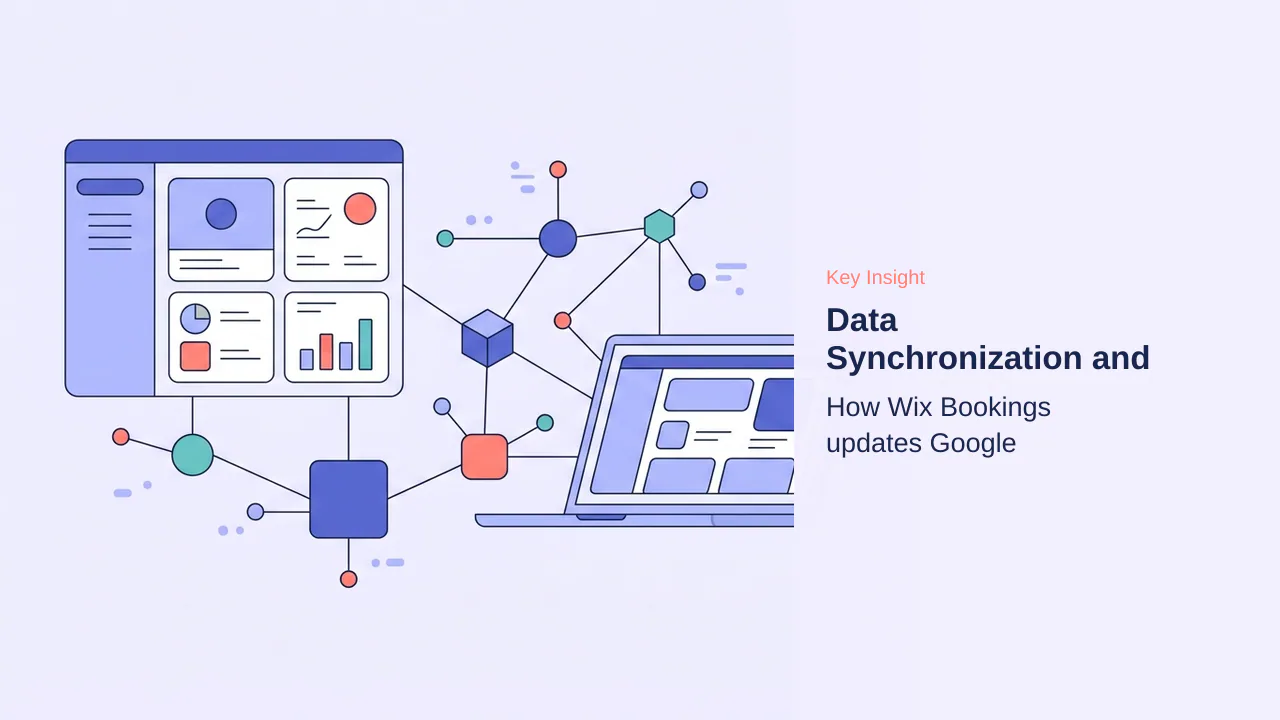
The operational efficiency of the Wix Bookings integration relies on a structured data exchange process. By leveraging the Universal Commerce Protocol, the system maintains a bridge between the local Wix catalog and external Google surfaces. This connection ensures that critical service details, including pricing, availability, add-ons, and variations, remain visible to potential customers searching via Google Search and Maps. This automated pipeline reduces the manual burden of updating multiple platforms, allowing business owners to focus on service delivery rather than administrative maintenance. However, the reliance on automated polling means that the accuracy of the information presented on Google is inherently tied to the frequency of the synchronization cycle.
Key considerations for Data Synchronization and Availability Management
The primary mechanism for maintaining consistency is an automated update cycle. The system performs a refresh of service data roughly every 30 minutes. This interval is designed to balance server load while providing users with relatively current information. Business owners must account for this latency when managing high-volume schedules, as the window between updates can occasionally lead to discrepancies if booking velocity is high. For businesses with rapidly changing availability, this 30-minute window represents a critical operational threshold. While the system is designed to be reliable, the inherent delay means that a time slot appearing as available on Google might have been claimed on the primary Wix site just moments before the next sync occurs. Understanding this behavior is essential for maintaining customer satisfaction and preventing double-booking scenarios.
Practical checks for Data Synchronization and Availability Management
To ensure the integration functions as intended, administrators should perform periodic validation of the displayed information. Because the system relies on automated polling, verifying that changes made in the Wix dashboard reflect correctly on Google is a necessary maintenance step. If pricing or service availability shifts significantly, confirming the update on the public-facing Google Business Profile helps mitigate potential customer confusion during the booking flow. Administrators should treat the Google Business Profile as a secondary display layer rather than the primary source of truth for real-time inventory. By periodically auditing the information displayed on Google against the actual Wix dashboard, owners can identify if the sync process has encountered any unexpected interruptions. This proactive approach ensures that the information presented to potential customers remains accurate, maintaining the integrity of the booking process and the professional reputation of the business.
- Sync frequency is fixed at a 30-minute interval.
- Data points synchronized include service pricing and availability.
- Service add-ons and variations are automatically updated.
- Latency requires monitoring for high-traffic service providers.
- Discrepancies may occur during periods of high booking velocity.
- Periodic dashboard audits confirm data consistency.
Navigating Current Platform Constraints
While the integration between Wix Bookings and Google provides a significant boost to service visibility, it is essential to recognize that the current implementation operates within specific boundaries. These constraints are typical for early-stage agentic commerce tools, where the focus remains on discovery rather than full-funnel transaction processing. Understanding these limitations allows business owners to manage customer expectations effectively while preparing for future feature rollouts.
Vertical-Specific Availability
The depth of information surfaced by Google is currently tied to the specific service vertical. Time slot selection is limited to beauty services at this stage of the rollout. Businesses operating in other sectors, such as professional consulting, fitness, or home services, may find that while their service catalog appears, the granular ability for users to select specific appointment times directly within the Google interface is not yet active. This segmentation reflects a phased deployment strategy, prioritizing high-frequency, standardized service models before expanding to more complex scheduling requirements.
Redirects to Website for Booking
A critical aspect of the current user journey is that users must visit website to confirm booking. Although Google surfaces the service details, pricing, and availability, the final transaction and scheduling confirmation occur within the Wix environment. This design ensures that all business logic, payment processing, and calendar management remain centralized on the primary site, preventing potential conflicts that could arise from decentralized booking flows. This redirection is a necessary bridge while the underlying protocols mature to support fully agentic, end-to-end transactions within third-party search surfaces.
Note: Business owners should ensure their website booking flow is optimized for mobile users, as the transition from Google Search or Maps to the site must be frictionless to maintain conversion rates.
Wix and the Broader Agentic Commerce Landscape
The integration of Wix Bookings into Google surfaces represents a calculated step within a rapidly evolving ecosystem of agentic commerce. This shift moves beyond static search results, aiming to place business services directly into the workflows of AI-driven discovery tools. While this specific integration focuses on service availability, it functions as a component of a larger strategy to maintain relevance as LLMs increasingly mediate consumer purchasing decisions.
Wix has demonstrated a clear commitment to this trajectory through its strategic partnerships. Notably, in December 2025, Wix joined the Stripe Agentic Commerce Suite, a collaboration shared with other major platforms like Squarespace and WooCommerce. This partnership is designed to facilitate the inclusion of merchant products within the responses generated by various LLMs, effectively lowering the barrier for AI-assisted product discovery. By aligning with infrastructure providers like Stripe, Wix aims to ensure that its merchants remain visible as AI agents become more adept at interpreting and acting upon commerce-related queries.
However, the competitive landscape remains highly dynamic, with different platforms prioritizing distinct approaches to AI integration. Shopify currently maintains a lead in this sector by supporting a broader range of LLMs. This multi-LLM strategy allows Shopify merchants to gain visibility across a diverse array of AI interfaces, including Google’s AI Mode, the Gemini app, ChatGPT’s Instant Checkout, and Microsoft Copilot. This breadth of support contrasts with the more focused, protocol-driven approach currently favored by Wix, which prioritizes deep integration with Google’s specific ecosystem via the Universal Commerce Protocol.
For the small business owner, the value of these developments depends on the alignment between platform capabilities and customer behavior. While Shopify’s multi-platform reach offers broad exposure, Wix’s current focus on Google-native integration provides a specialized channel for service-based businesses. The resource story is one of trade-offs: choosing between a platform that casts a wide net across various AI agents or one that optimizes for the dominant search and mapping interface. As these technologies mature, the ability to automate discovery will likely become a baseline requirement for competitive service businesses, regardless of the specific platform chosen.
Future Roadmap for AI-Powered Bookings
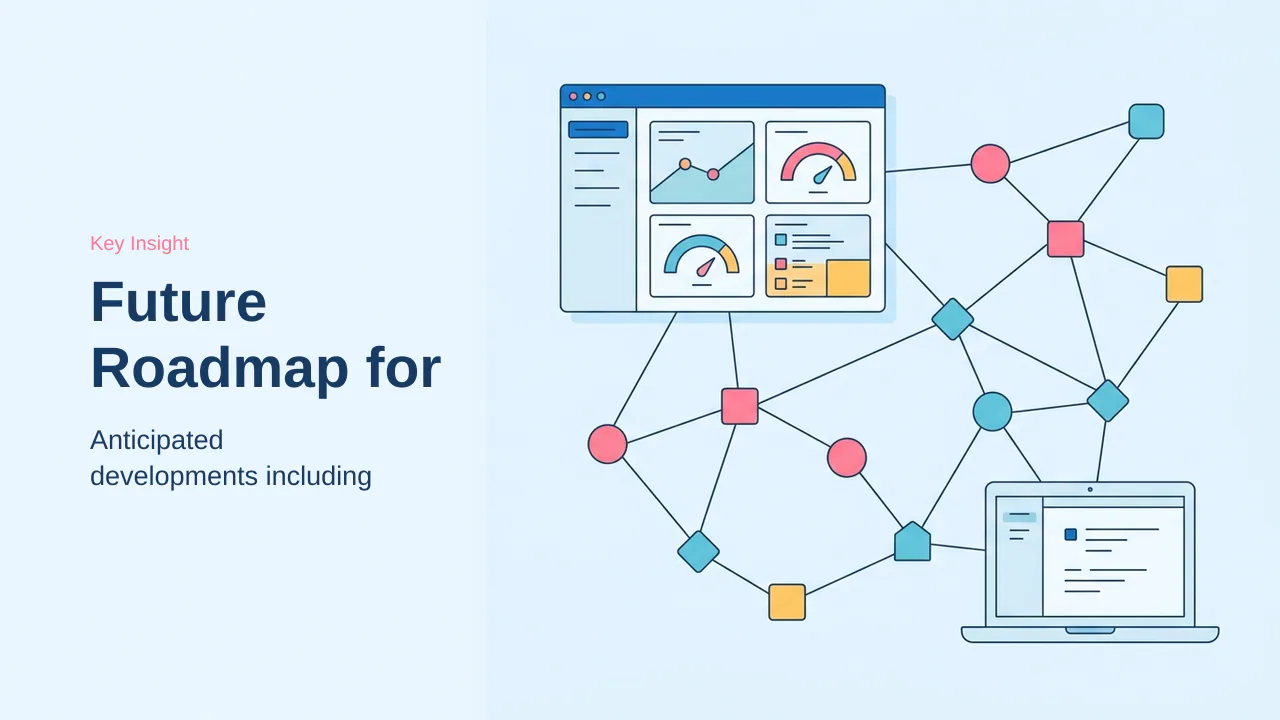
The current integration between Wix Bookings and Google serves as a foundational step toward fully autonomous service discovery. As the platform matures, the roadmap focuses on deepening these connections to minimize friction for both business owners and potential clients. Future updates will prioritize more sophisticated interaction models that move beyond simple information display toward active, agent-led booking completions. This evolution reflects a broader industry shift where search engines function as active participants in the transaction lifecycle rather than passive directories.
Gemini Integration
Wix has confirmed that its service integration will soon extend to Gemini-powered chats within Google’s ecosystem. This expansion aims to allow users to interact with business service catalogs through natural language queries, potentially surfacing specific availability or service details directly within the chat interface. While a specific release date remains unconfirmed, this development represents a significant shift toward conversational commerce where the AI agent acts as a direct intermediary for service inquiries. By leveraging Gemini, the platform intends to parse complex user requests, matching them against real-time availability data stored within the Wix dashboard to provide precise, actionable responses.
Expanding AI Mode Visibility
Beyond chat interfaces, the platform is slated for deeper integration with Google’s AI Mode. This expansion is intended to increase the visibility of Wix-managed services within AI-driven search results, ensuring that businesses remain competitive as Google continues to prioritize agentic responses. By embedding service data more deeply into the AI Mode framework, Wix aims to provide a more consistent experience that bridges the gap between initial search and final booking. This move is critical for maintaining relevance as search results evolve from static links to dynamic, AI-generated summaries that require structured, machine-readable data to function effectively.
The transition toward these advanced discovery channels requires a proactive approach to data management. Businesses should prepare their service catalogs by ensuring that all descriptions, pricing structures, and availability parameters are clearly defined and consistently updated. As these AI agents gain the ability to process more complex booking logic, the quality of the underlying data will directly influence how effectively a business is represented in automated search environments.
- Integration with Gemini-powered chats upcoming
- Expansion to Google’s AI Mode planned
- Increased visibility in AI-driven search results
- Enhanced natural language service discovery
- Improved parsing of complex user booking requests
- Greater reliance on structured service data
Note: While these advancements promise greater automation, businesses should monitor official Wix updates to ensure their service catalog remains optimized for these evolving AI-driven discovery channels. Maintaining data hygiene today is the most effective way to ensure readiness for the next generation of agentic commerce features.
Strategic Value for Small Business Owners
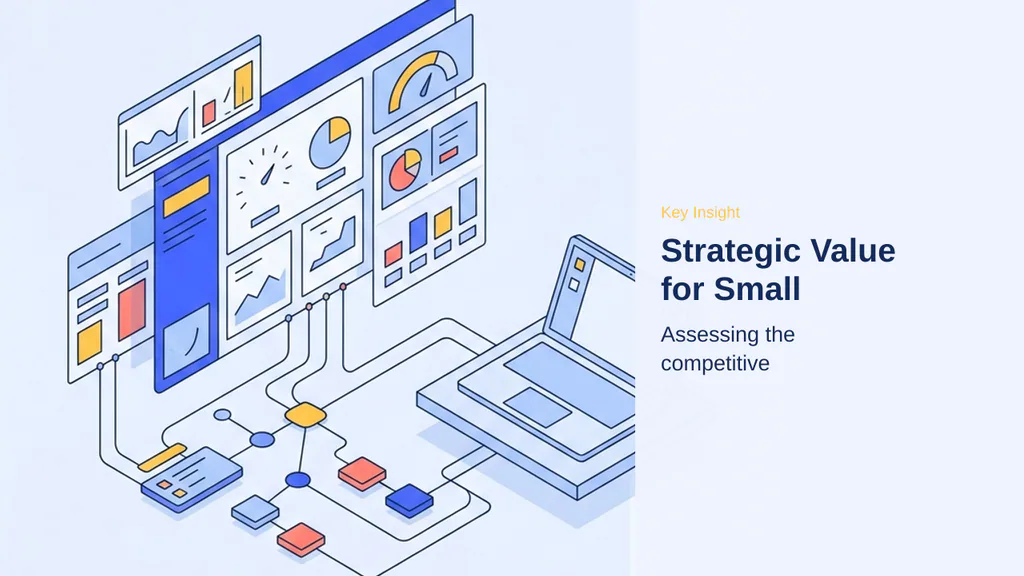
The integration of service catalogs into Google’s discovery surfaces represents a fundamental shift in how local businesses capture demand. By leveraging the Universal Commerce Protocol, business owners move beyond traditional search engine optimization, placing their availability directly into the path of intent-driven users. AI visibility improves competitive advantage by ensuring that service offerings appear within the interfaces where customers already manage their daily schedules and navigation.
Early adoption of these agentic pathways allows businesses to establish a presence in emerging search behaviors before the market reaches saturation. While the current implementation requires a redirect to the primary website for final confirmation, the presence of real-time pricing and availability data on Google surfaces reduces the friction between discovery and conversion. Strategic positioning in AI-driven search is no longer optional for service-based enterprises aiming to maintain relevance against larger, more digitally agile competitors.
- Increased visibility within Google Search and Maps surfaces.
- Direct display of service pricing and availability to potential clients.
- Early entry into the evolving agentic commerce ecosystem.
- Reduced reliance on traditional click-through paths for initial service discovery.
- Improved alignment with customer expectations for instant information access.
Early integration provides a distinct edge in local search rankings, as search engines prioritize platforms that provide structured, actionable data. By maintaining accurate service information within the Wix dashboard, owners ensure that their digital storefront remains synchronized with the broader Google ecosystem. Proactive management of these channels allows businesses to capitalize on the shift toward automated discovery, effectively turning search results into active booking funnels.
Beyond immediate visibility, the strategic value of these integrations lies in data-driven operational efficiency. By centralizing service catalogs within the Google ecosystem, businesses reduce the administrative burden of managing disparate booking platforms. This consolidation ensures that potential clients interact with a single, authoritative source of truth, minimizing the risk of scheduling conflicts or outdated service information. Maintaining high-quality structured data within the Wix dashboard serves as a foundational investment, as search algorithms increasingly favor platforms that provide consistent, machine-readable inputs.
Furthermore, the shift toward agentic commerce necessitates a change in how small business owners perceive their digital footprint. Rather than viewing search engines solely as traffic drivers, owners should treat them as active participants in the customer acquisition funnel. Aligning service offerings with automated discovery allows businesses to capture high-intent leads that might otherwise be lost to competitors with more optimized digital presence. This proactive stance is essential for long-term growth in an environment where search intent is increasingly satisfied without traditional website navigation.
- Streamlining operations through centralized service management.
- Reducing scheduling errors via consistent data synchronization.
- Capturing high-intent leads through automated discovery channels.
- Future-proofing digital assets for evolving AI search requirements.
The transition to these advanced discovery models requires a shift in focus from passive maintenance to active channel management. By regularly auditing service variations and availability settings, businesses ensure they remain competitive as search interfaces evolve. Strategic investment in these pathways provides a measurable advantage, allowing smaller enterprises to compete effectively by leveraging the same infrastructure as larger, more established market players.
Beyond the immediate technical benefits, the strategic value of this integration lies in how it redefines the customer acquisition funnel for service-oriented enterprises. By shifting from a model where the website acts as the sole entry point to one where discovery occurs within Google’s native interfaces, businesses effectively lower the barrier to entry for potential clients. AI visibility improves competitive advantage by ensuring that service availability is surfaced at the exact moment of user intent, bypassing the traditional, multi-step navigation process that often leads to drop-offs.
For the small business owner, this transition necessitates a more disciplined approach to digital asset management. Because search engines now act as active participants in the booking process, the accuracy of service descriptions, pricing, and availability becomes a critical performance metric. Maintaining high-quality structured data is no longer just a technical requirement; it is a core business strategy that directly influences how effectively a brand can capture high-intent leads. By treating the Wix dashboard as the authoritative source for all discovery channels, owners can ensure consistency across their digital footprint, minimizing the risk of scheduling conflicts that arise from outdated information.
- Transforming search results into active, high-intent booking funnels.
- Reducing customer friction by surfacing availability within discovery interfaces.
- Leveraging structured data as a primary tool for local search optimization.
- Establishing a scalable foundation for future autonomous commerce capabilities.
Ultimately, the move toward agentic discovery rewards those who prioritize data hygiene and proactive channel management. As search algorithms continue to favor platforms that provide reliable, machine-readable inputs, businesses that integrate early gain a distinct, measurable edge. This proactive stance allows smaller enterprises to compete on equal footing with larger players, effectively turning the complexity of AI-driven search into a reliable engine for long-term growth and operational efficiency.
Balancing Automation with Current Realities
The integration between Wix Bookings and Google represents a significant step toward automated service discovery, yet it remains a transitional tool rather than a fully autonomous system. Business owners must recognize that while the connection streamlines visibility, the current architecture requires manual oversight to ensure that the customer journey remains consistent across both the search interface and the destination website. Because the integration is not yet fully agentic, the final conversion step still relies on the user navigating to the business site, making the quality of that landing experience a critical factor in overall conversion success.
Monitoring Sync Performance
The 30-minute synchronization window creates a operational buffer that demands attention for high-volume service providers. To mitigate the risk of double-bookings or outdated availability, businesses should implement internal monitoring protocols. Regularly auditing the service catalog against the information displayed on Google Maps and Search helps maintain accuracy. If a business experiences rapid fluctuations in appointment availability, the current sync frequency may necessitate temporary manual adjustments to the booking buffer settings within the Wix dashboard to prevent potential conflicts.
- Audit the service catalog weekly to ensure pricing and add-ons match the Google display.
- Monitor booking confirmation rates to identify if the redirect process causes user drop-off.
- Adjust internal availability buffers if the 30-minute sync interval leads to scheduling conflicts.
Preparing for Future Automations
As the ecosystem evolves, the transition toward more autonomous booking flows will likely reduce the friction currently associated with website redirects. Business owners are encouraged to maintain a clean, structured service database, as this data hygiene will be essential for future compatibility with Gemini-powered chat interfaces and expanded AI Mode visibility. By focusing on accurate service descriptions and clear availability rules today, businesses position themselves to adopt new agentic features as they become available without requiring a complete overhaul of their existing digital infrastructure.
- Maintain standardized service naming conventions to support future AI discovery.
- Review platform updates periodically to identify when new verticals gain time-slot selection capabilities.
- Prepare for deeper integration with Google’s AI Mode by ensuring all business profile information is verified and current.
Beyond immediate operational tasks, the broader strategic value lies in how businesses interpret these early-stage tools. Adopting the integration now allows for a foundational understanding of AI-driven discovery, even if the current implementation requires a redirect to finalize transactions. By treating the Google Business Profile as a primary extension of the service catalog rather than a static directory, owners can better align their digital presence with the evolving expectations of searchers who increasingly rely on AI to filter and present service options.
Ultimately, the transition toward agentic commerce is not a singular event but a continuous process of refinement. Businesses that prioritize data accuracy and service structure today will find themselves better prepared for the inevitable shift toward fully autonomous booking flows. This proactive approach minimizes the technical debt that often accumulates when platforms introduce rapid, iterative updates, ensuring that the transition from current search-based discovery to future agentic interactions remains smooth and manageable.
- Treat the Google Business Profile as a dynamic extension of the core service catalog.
- Prioritize data accuracy to ensure seamless transitions as AI discovery capabilities expand.
- Focus on long-term infrastructure health to accommodate future agentic commerce features.
The evolution of agentic commerce suggests that the current manual redirect process is a temporary bridge toward a more frictionless future. As AI agents continue to advance, automated product discovery and purchase is becoming an expectation. While the Wix Bookings and Google integration helps you meet your customers where they are, it isn’t yet a fully agentic service. Businesses that recognize this distinction can better manage their operational expectations while preparing for the shift toward deeper, more autonomous interactions.
Strategic preparation involves viewing the current integration as a training ground for future AI-driven discovery. By refining service descriptions and maintaining strict availability rules, business owners build the structured data foundation required for upcoming agentic features. This proactive stance ensures that when platforms enable direct, in-search booking capabilities, the transition will require minimal technical adjustment, allowing businesses to maintain their competitive edge without significant downtime or configuration overhead.
- View the current redirect-based booking flow as a transitional phase in AI-driven commerce.
- Leverage existing integration tools to build foundational data structures for future agentic discovery.
- Monitor platform updates for the transition toward direct, in-search booking capabilities.
The integration between Wix Bookings and Google serves as a strategic entry point for businesses aiming to enhance their digital footprint within search-driven ecosystems. By facilitating direct service discovery, this tool allows owners to capture high-intent traffic that might otherwise bypass their booking portal. However, the current requirement for a website redirect underscores the necessity of maintaining a high-performing landing page to ensure that the initial interest generated by search visibility translates into confirmed appointments.
Operational success hinges on the rigorous management of service data. Because the synchronization process operates on a 30-minute cycle, businesses must ensure that their internal availability rules are strictly defined and consistently updated. This practice minimizes the risk of scheduling conflicts and ensures that the information presented to potential customers remains accurate. Treating the Google Business Profile as a dynamic extension of the core service catalog rather than a static directory is essential for maximizing the value of this integration.
Looking ahead, the trajectory of agentic commerce suggests that the current manual redirect process is a temporary bridge toward a more frictionless future. As AI agents continue to advance, automated product discovery and purchase is becoming an expectation. While the Wix Bookings and Google integration helps you meet your customers where they are, it isn’t yet a fully agentic service. Businesses that recognize this distinction can better manage their operational expectations while preparing for the shift toward deeper, more autonomous interactions. By prioritizing data hygiene and service structure today, owners build the foundation required for upcoming agentic features, ensuring they remain competitive as search engines evolve into active booking funnels.
The path toward fully autonomous booking requires a shift in how businesses manage their digital assets. By treating the Google Business Profile as a living component of the service catalog, owners ensure that the data fed into search algorithms remains precise and reliable. This discipline is not merely an administrative chore but a strategic investment in future compatibility. As search engines evolve from simple directories into active booking funnels, the quality of your structured data will determine how effectively your business is represented within AI-driven interfaces. Maintaining this standard today minimizes the friction of future platform updates and ensures that your service offerings remain discoverable as agentic commerce matures. While the current redirect-based flow serves as a bridge, the underlying data structure you build now will define your readiness for the next generation of automated discovery.
The integration of Wix Bookings with Google represents a meaningful step toward more fluid service discovery, yet it remains a transitional tool rather than a fully agentic solution. By utilizing the Universal Commerce Protocol, businesses can effectively place their service catalogs into the hands of users searching on Google Maps and Search, which provides a distinct competitive advantage in local discovery. However, the current requirement for users to navigate to the business website for final booking confirmation, combined with the 30-minute synchronization latency, necessitates a disciplined approach to data management. Maintaining accurate availability and pricing within the Wix dashboard is critical, as these updates are the primary drivers of the information displayed on Google surfaces.
Looking forward, the roadmap for this integration points toward deeper AI involvement, including upcoming support for Gemini-powered chats and expanded visibility within Google’s AI Mode. These advancements will likely reduce the friction currently inherent in the booking process, moving the ecosystem closer to the goal of autonomous, agent-driven commerce. For now, the strategic value lies in early adoption and rigorous data hygiene. Businesses that invest time in structuring their services correctly today will be best positioned to capitalize on these future automations as they roll out. The current state of the integration is not about replacing the website booking flow, but rather about extending the reach of that flow into the most influential search channels available. By balancing the current operational realities—such as the 30-minute sync cycle and the specific vertical limitations—with a forward-looking strategy, business owners can ensure their services remain visible and relevant. Ultimately, the success of this integration depends on how well a business manages its digital presence to meet the evolving expectations of customers who increasingly rely on AI agents to facilitate their purchasing decisions.